The Cosmic Ray Energetics and Mass (CREAM) experiment was designed and constructed to measure cosmic ray elemental spectra using a series of ultra long duration balloon (ULDB) flights. The goal is to extend direct measurement of cosmic-ray composition to the energies capable of generating gigantic air showers which have been mainly observed on the ground, thereby providing calibration for indirect measurements. The instrument has redundant and complementary charge identification and energy measurement systems capable of precise measurements of elemental spectra for Z = 1 - 26 nuclei over the energy range ~1011 to 1015 eV. Precise measurements of the energy dependence of elemetal spectra at the highest of these energies, where the rigidity-dependent supernova acceleration limit could be reflected in a composition change, provide a key to understanding cosmic ray acceleration and propagation. The instrument includes a Timing Charge Detector (TCD), a Cherenkov Detector (CD), a Transition Radiation Detector (TRD), a Cherenkov Camera (CherCam), a Silicon Charge Detector (SCD), scintillating fiber hodoscopes, and a tungsten-scintillating fiber calorimeter.
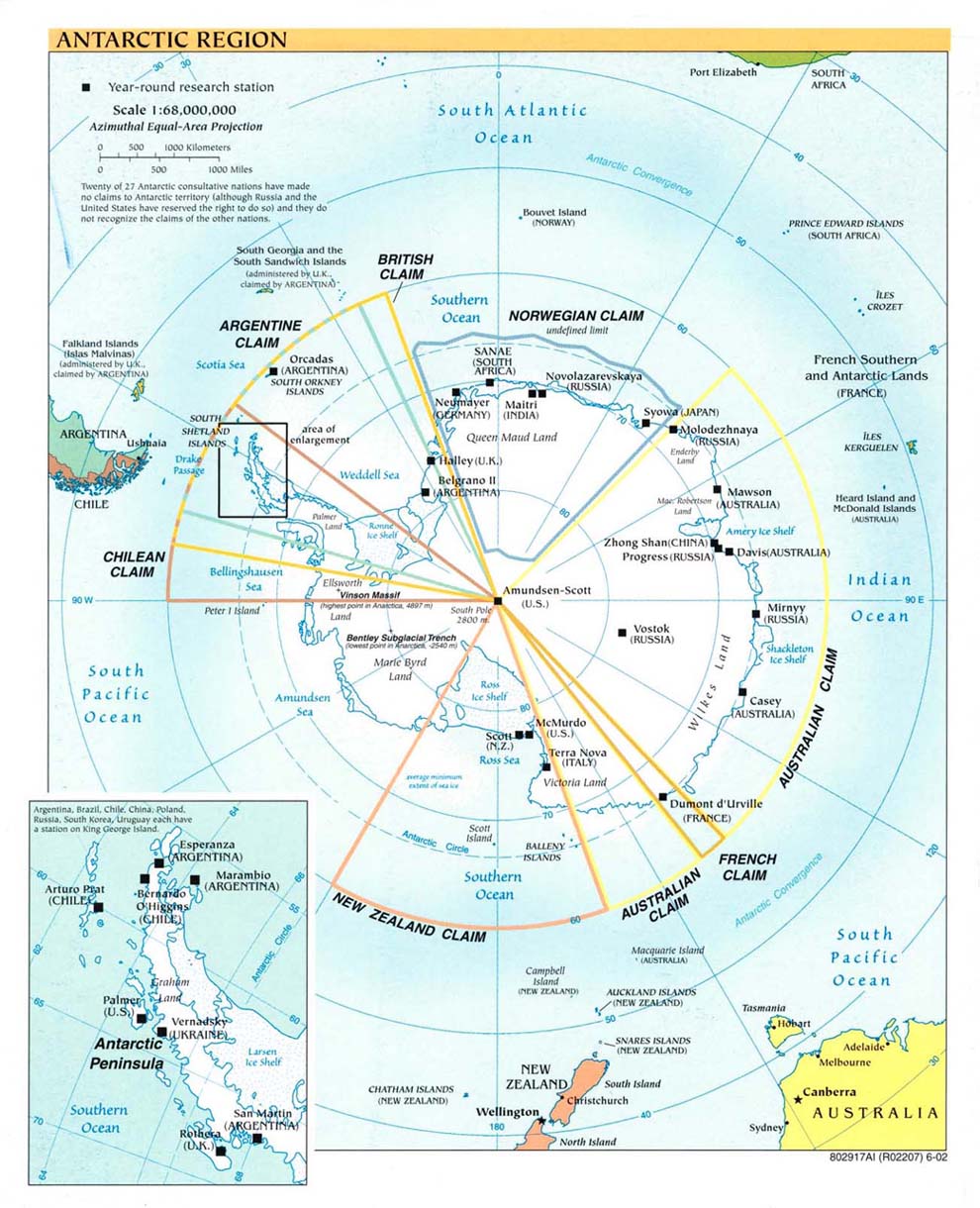
The CREAM mission has had seven successful flights: (1) 12/16/04 – 1/27/05, (2) 12/16/05 – 1/13/06, (3) 12/19/07 – 1/17/08, (4) 12/19/08 – 1/7/09, (5) 12/1/09 – 1/8/10, (6) 12/20/2010 – 12/26/2010 and (7)11/28/2016 - 12/28/2016 respectively called CREAM-I, -II, -III, -IV, -V, -VI and BACCUS. A 40 million cubic foot (1.1 million cubic meter) balloon carried each payload to its float altitude between ~38 and ~40 km, with an average atmospheric overburden of ~3.9 g/cm2. A cumulative exposure of ~191 days has been achieved.
Examples of current results are given below:
- Cosmic-Ray Proton and Helium Spectra from the First CREAM Flight
- Discrepant Hardening Observed in Cosmic-ray Elemental Spectra
- Energy Spectra of Cosmic-ray Nuclei at High Energies
- Measurements of the Relative Abundances of High-energy Cosmic-ray Nuclei in the TeV/Nucleon Region
- Measurements of cosmic-ray secondary nuclei at high energies with the first flight of the CREAM balloon-borne experiment
While waiting for the ISS-CREAM launch, the other balloon payload including a Transition Radiation Detector, which is too large for the JEM-EF envelope, is being prepared for another Antarctic balloon flight in 2016. This so-called Boron And Carbon Cosmic rays in the Upper Stratosphere (BACCUS) mission will focus on the B/C ratio to investigate cosmic ray propagation history.